
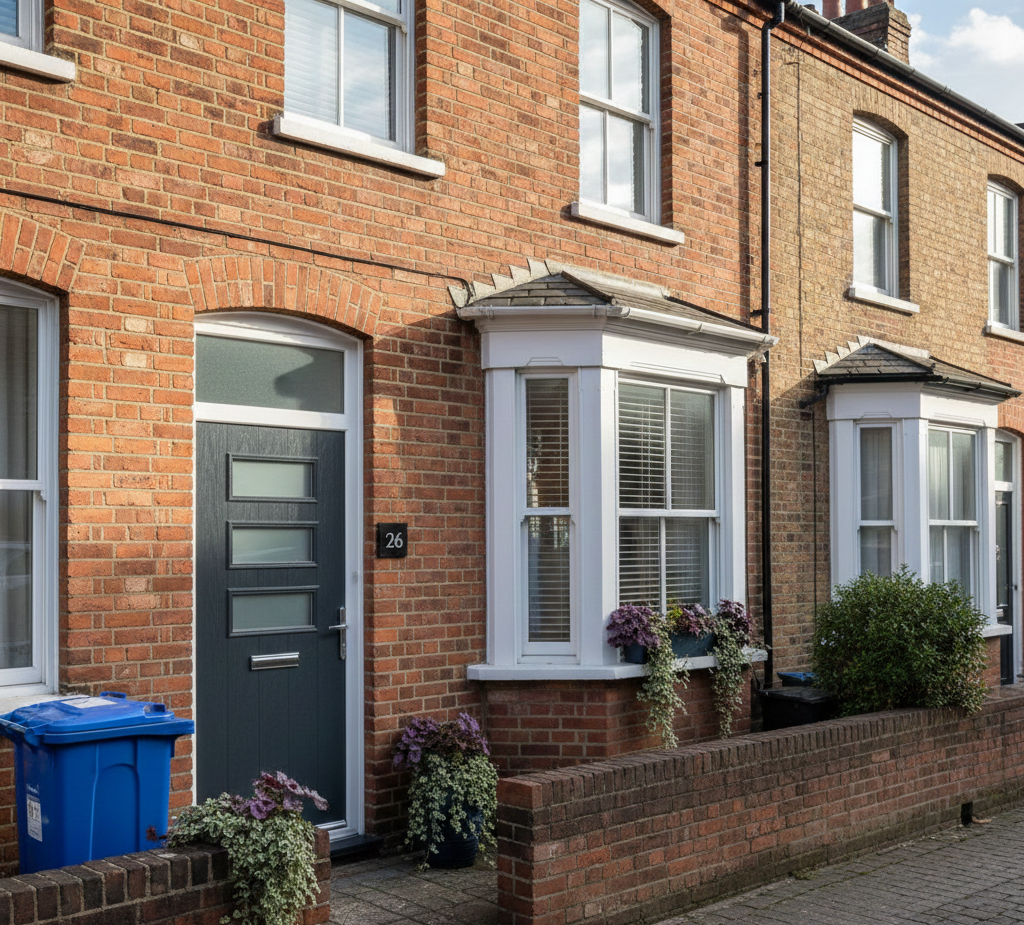
When homeowners in the UK look to upgrade their property, the front door is often the first port of call. It isn’t just about kerb appeal; in an era of rising utility bills, the functional performance of an entranceway is paramount. A common question we encounter at Commerce Windows is: are composite doors energy efficient?
The short answer is yes—exceptionally so. In fact, they are widely considered the gold standard for heat retention in the domestic market. In this article, we will break down the science behind their construction, the importance of professional composite door installers, and why these doors are a superior choice for the eco-conscious homeowner.
The Science of Thermal Efficiency in Modern Entrances
To understand why these products perform so well, one must look at what lies beneath the surface. Unlike traditional timber doors, which can warp, or uPVC doors, which rely on multi-chambered plastic profiles, composite doors are engineered from a sophisticated blend of materials.
The core of a high-quality composite door is typically injected with high-density CFC-free polyurethane foam or a laminated veneer lumber (LVL) core. This creates a dense thermal barrier that prevents heat from escaping. When discussing thermal efficiency, we often refer to ‘U-values.’ The lower the U-value, the better the door is at keeping heat inside. Because of their thick, insulated cores, these doors frequently outperform solid wood alternatives by up to 15–20%, making them a vital component of a low-energy home.
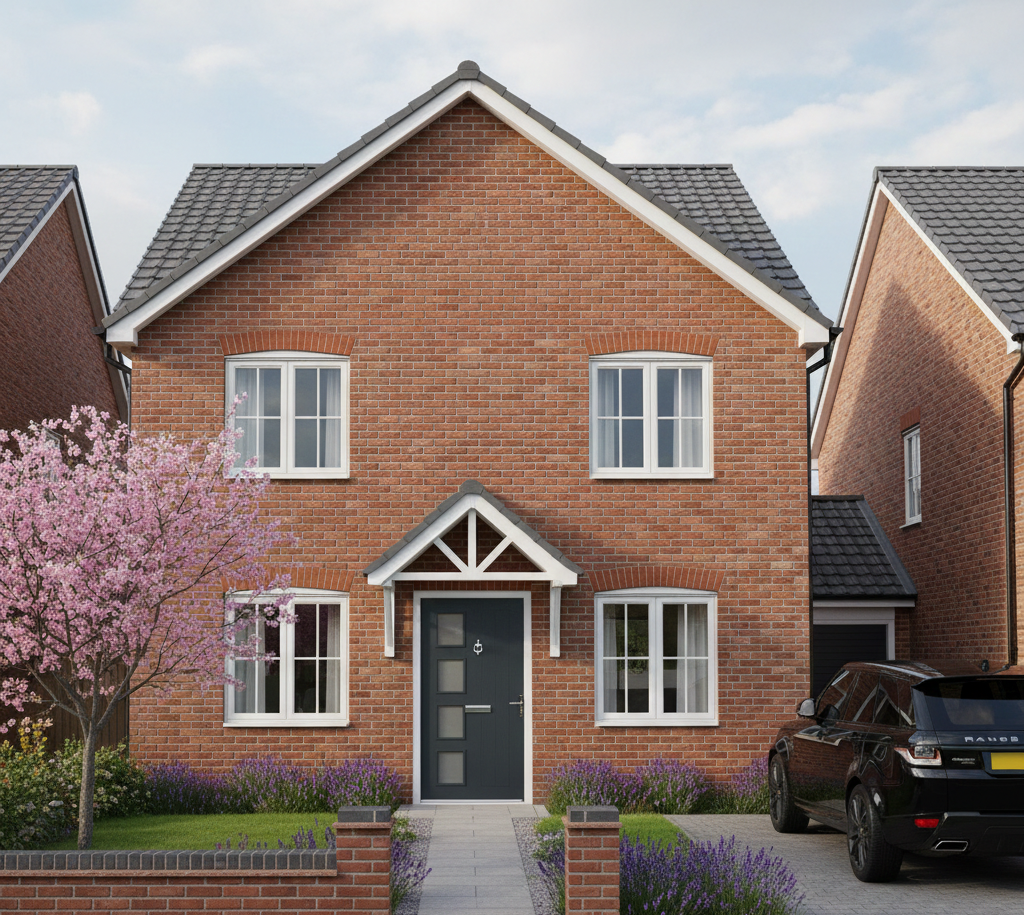
Are Composite Doors Energy Efficient Compared to uPVC?
Many residents ask are composite doors energy efficient enough to justify the higher price point compared to standard uPVC? While uPVC is a capable insulator, it cannot match the structural density of a composite build.
The outer skin of composite doors is usually made from Glass Reinforced Plastic (GRP), the same tough material used to build boat hulls. This skin is fused to the internal frame, creating a weather-tight seal that resists the elements. While uPVC can expand and contract significantly in the British sun—potentially leading to draughts—composite materials remain stable, ensuring that the airtight seal remains intact year-round. This stability is a cornerstone of long-term thermal efficiency.
Choosing Stylish and Energy Efficient Composite Doors
One of the greatest myths in home improvement is that you have to sacrifice aesthetics for performance. When browsing energy efficient composite doors, you will find that the insulation doesn’t limit your creativity.
Here at Commerce Windows, we offer a vast array of composite door designs that cater to both period properties and ultra-modern new builds. Whether you prefer a traditional ‘Cottage’ style with wood-grain effects or a sleek, contemporary Long-Glass look, the thermal core remains the same. Even the glazing units used in these designs are high-spec; triple or double-glazed units with argon gas filling ensure that even the glass parts of your door contribute to the overall thermal efficiency of the entrance.

The Role of Expert Composite Door Installers
You could purchase the most expensive, high-spec door on the market, but if it is fitted poorly, its energy-saving capabilities are rendered useless. This is why choosing accredited composite door installers is just as important as the door itself.
A professional installation ensures that the frame is perfectly square and that the weather-proof gaskets compress correctly against the door leaf. Expert composite door installers will also ensure that the threshold is correctly sealed, preventing cold bridging where frost can transfer from the outside to the inside. At Commerce Windows, our installation team focuses on precision, ensuring that the energy efficient composite doors we fit perform exactly as they were designed to in the laboratory.
Investment Value: Energy Efficient Composite Doors vs. Long-Term Costs
While the initial outlay for a composite entrance may be higher than other materials, the return on investment is found in two places: your energy bills and your property value.
Because composite doors are so effective at trapping heat, your hallway will stay warmer without the need for constant central heating. Over a decade of British winters, these savings add up. Furthermore, because these doors are incredibly durable and do not require painting or sanding, the maintenance costs are virtually zero. When you combine various composite door designs with such high performance, you create an entrance that adds genuine saleability to your home.
Frequently Asked Questions Regarding Thermal Efficiency
When customers ask us, “are composite doors energy efficient?”, they often have specific concerns about the British climate.
-
Do they fade in the sun? No, the GRP skin is UV-stable.
-
Do they let in draughts? Not when fitted by professional composite door installers using high-quality perimeter seals.
-
Are they better than timber? Yes, because they don’t absorb water, they won’t swell or rot, which usually causes timber doors to lose their energy efficiency over time.
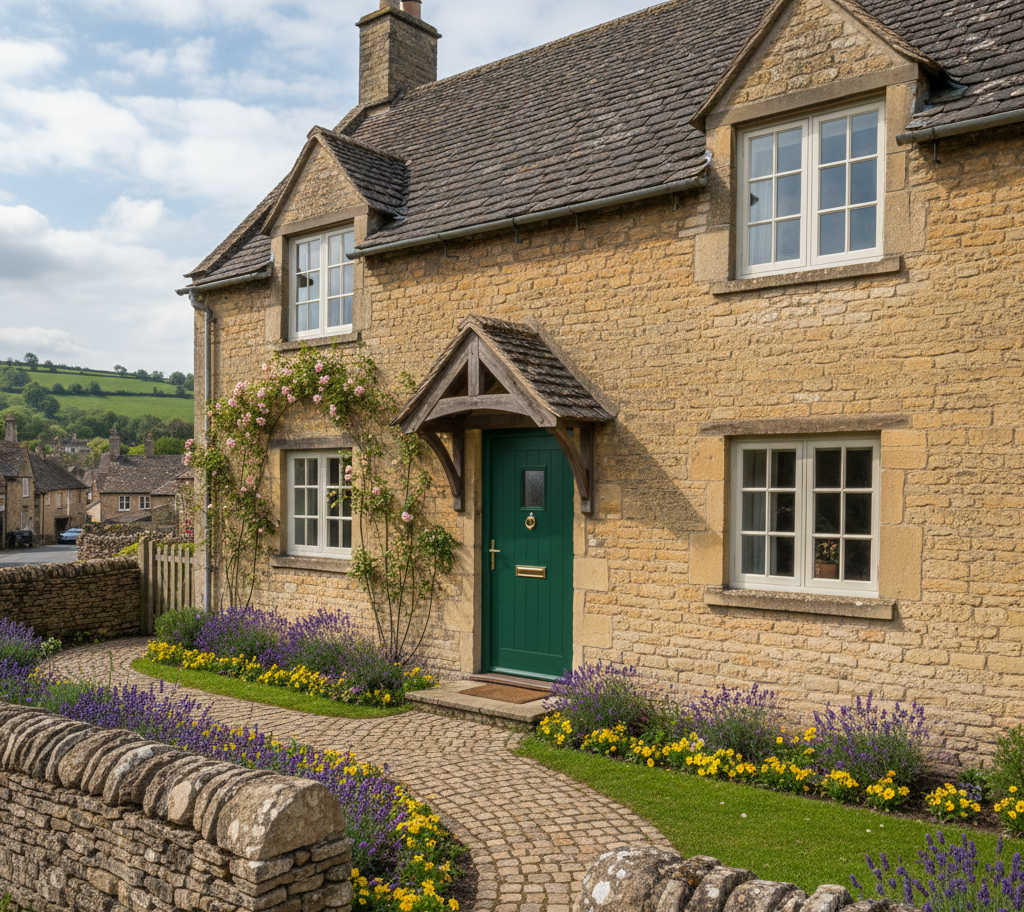
Selecting Your Perfect Composite Door Designs
The beauty of modern manufacturing is the sheer variety of composite door designs available today. From bold colours like Anthracite Grey and Chartwell Green to bespoke hardware options, you can tailor your door to your exact taste.
However, always look for the “Energy Rating” tag. Much like a fridge or a washing machine, energy efficient composite doors are often rated from A++ to G. By selecting a high-rated design, you are making a conscious choice to reduce your carbon footprint while enhancing the security and beauty of your home.
Why Composite Doors are the Future of UK Homes
In summary, if you are looking to improve your home’s insulation, the answer to “are composite doors energy efficient?” is a resounding yes. They provide a multi-layered defence against the cold, wind, and rain, outperforming almost every other material on the market.













Leave A Comment